
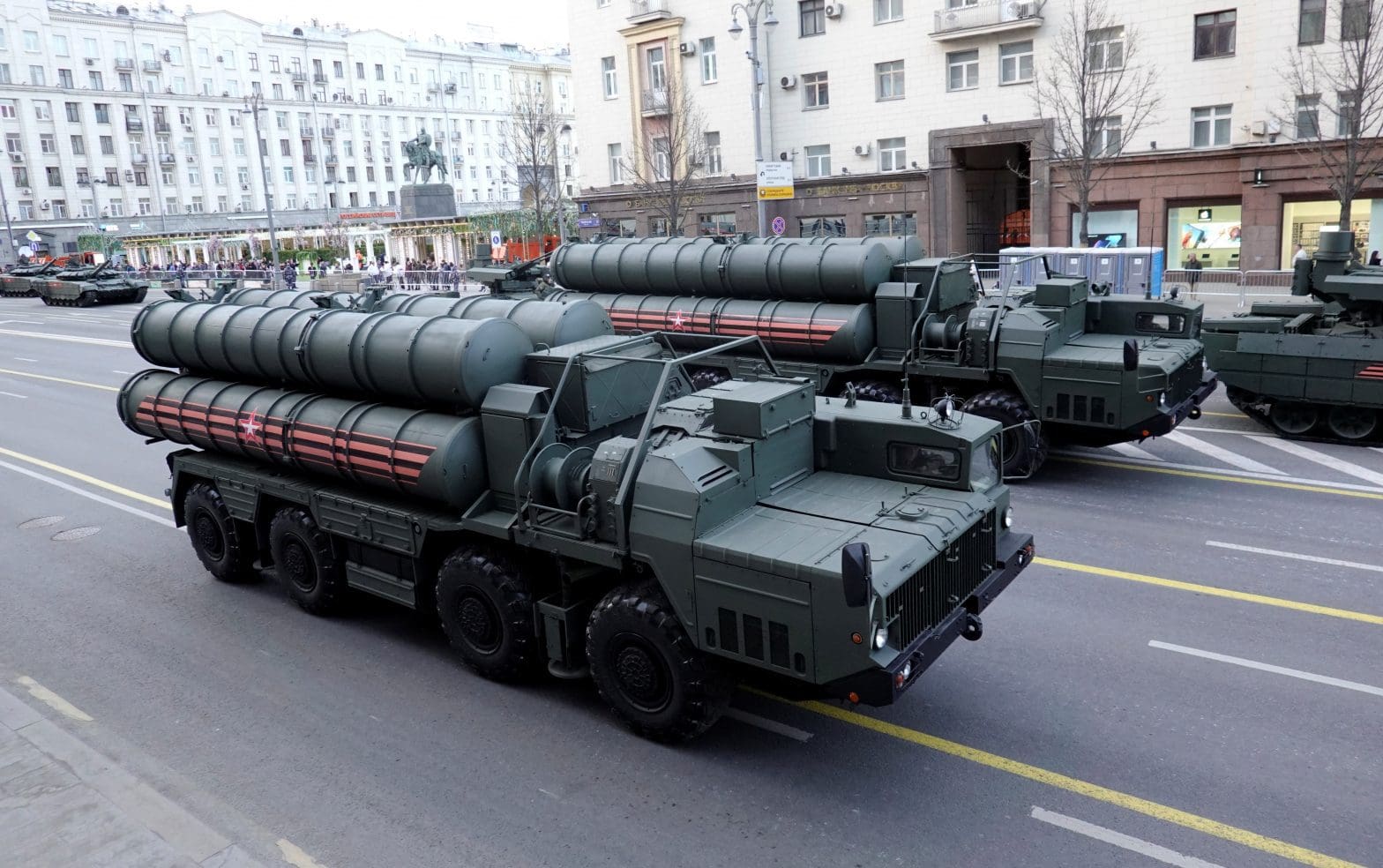

On June 6, then-Acting Secretary of Defense Patrick Shanahan sent a strongly-worded letter to his Turkish counterpart over Turkey’s planned purchase of S-400 air defense system from Russia. The letter outlined a timeline to remove Turkey from the F-35 fighter jet program, should Turkey move forward with the purchase. Washington argues that if installed in Turkey, the S-400 system will compromise the F-35 technology.
Turkish President Recep Tayyip Erdoğan chafed at threats of sanctions and said that the S-400 purchase is a done deal. And indeed, last week Russia began delivering the system to Turkey.
As U.S.-Turkey relations are headed for further downturn, Erdoğan appears to have pinned his hope on President Trump in order to avoid U.S. sanctions. In fact, Erdoğan came out of his meeting with Trump on the sidelines of the G-20 Summit in Japan at the end of June satisfied, as Trump put the blame for the S-400 crisis on Obama administration and—in contrast to the messages from elsewhere in the U.S. government—gave the impression that he doesn’t favor putting heavy sanctions on Turkey over the issue.
It is, nevertheless, perplexing to observe how Russia is reshaping U.S.-Turkey relations.
A NEW CHAPTER
It was the Soviet threat that gave birth to the U.S.-Turkey alliance. Through economic and military aid, President Harry Truman tried to prevent Turkey and Greece from falling under Soviet influence in 1947. With a twist of irony, it is now Russia that may break this alliance.
As the purchase of S-400 missile system illustrates, there has been an important change in tide, both in U.S.-Turkish and in Turkish-Russian relations.
Defying expectations, Turkey and Russia have fast deepened relations on multiple fronts in recent years. Syria was a magnet that Russia used to lure in Turkey. What started as a pragmatic engagement between the sides within the context of the Syrian crisis has already gone beyond Syria. Few predicted that Turkish-Russian courting could survive Syria’s ever-complicated crisis. Yet thus far, the relationship has survived and even further improved.
Such negative expectations for the future of Turkish-Russian relations were not baseless. Geopolitically, the two countries are on opposite sides of the spectrum on almost all issues in their shared neighborhood. Likewise, both countries’ local and regional alliance structures remain at cross-purposes. Recognition of Russia’s geopolitical ambitions, particularly towards the Eastern Mediterranean, was one of the major factors that drove Turkey to seek membership in different Western clubs.